Skip to content
Menu
0
Koszyk jest pusty. Idź do sklepu

Take 5 Solo

15 minut dziennie • Progres bez presji

Free lessonsB1/B2•B2/C1
What if…? Conditionals made easy
Lesson B1/B2
Part 1 · Warm-up
Conditionals – let’s make them easier!

Hi! 👋 Today we’re going to work on conditionals. If they sometimes get mixed up in your head, don’t worry – we’re going to take them step by step.

But first, a short clip from Friends – one of my favourite TV shows and a show I watched a lot as a teenager when I was learning English. Before you watch, there’s one word you need to know:

omnipotent/ɒmˈnɪp.ə.tənt/

adjective – having unlimited power; able to do absolutely anything
wszechmocny
🎬 Did you get the joke? Click to check

The joke is based on a misunderstanding. Ross says: If I were omnipotent for a day…But Joey doesn’t know the word omnipotent – he hears “impotent”. 😄 That’s why he’s so surprised when Ross later says: I’m omnipotent.

Notice the grammar, too: If I were omnipotent, I’d make myself omnipotent forever. What would you do if you were omnipotent? That’s the second conditional – perfect for dreams, imaginary situations and “what if?” questions.
Part 2 · Sound
British or American?
The first sound in omnipotent is different in British and American English. 🇬🇧 /ɒ/ is short – lips slightly rounded, close to a short Polish „o”. 🇺🇸 /ɑː/ is more open – relax your lips and open your mouth more, closer to „a”.

​

Audio · Listen & repeat
🇬🇧 /ɒ/ or 🇺🇸 /ɑː/?
Play with the sounds – there’s no wrong choice 😊
Word🇬🇧 British🇺🇸 Americanomnipotent/ɒmˈnɪp.ə.tənt//ɑːmˈnɪp.ə.t̬ənt/hot/hɒt//hɑːt/coffee/ˈkɒf.i//ˈkɑː.fi/problem/ˈprɒb.ləm//ˈprɑː.bləm/honest/ˈɒn.ɪst//ˈɑː.nɪst/podcast/ˈpɒd.kɑːst//ˈpɑːd.kæst/
Part 3 · Read
The Sliding Doors Effect
Read the article. Tap or click a pink word to see what it means in Polish. Then decide: fact or myth?
The Sliding Doors Effect

In the 1998 film Sliding Doors, a young woman runs for a train on the London Underground. In one version of the story, she catches it. In the other, the doors close right in front of her. Two seconds – and two completely different lives.

It’s only a film, of course. But psychologists say that most of us have our own “sliding doors” moments, and we think about them more often than we admit.

Ask people how they met their partner or found their job, and you’ll often hear a story full of luck. Take Marta, a 34-year-old nurse from Gdańsk. “I missed my bus one morning, so I went into a café to wait for the next one,” she says. “A man spiltrozlał his coffee on my coat and offered to pay for the cleaning. We’ve been married for six years now. If I hadn’t missed that bus, I would never have met him.”

Or Tom, 41, who runs a small design studio in Manchester. He only applied for his first design job because a friend forwardedprzesłał dalej him the advert as a joke. “If he hadn’t sent it, I would have stayed at the bank for years,” he laughs.

Psychologists have a name for this: counterfactual thinkingmyślenie „co by było, gdyby” – imagining how things could have been different. It’s completely normal. When something important happens, our brain automatically starts asking “What if…?” And research suggests it can be good for us. If you think about how unlikely your life is, it feels a little more special – and a little more meaningfulpełen sensu.

But there’s a dark side, too. If we focus only on our bad decisions, we usually feel worse, not better. Too many “if onlys” and we get stuckutknąć in the past.

So what can we do? Experts have a simple tip. Next time you catch yourselfprzyłapać się thinking “if only…”, turn the question around: “What will I do differently next time?” If you ask this question, you’ll learn something from the past instead of just regrettingżałować it.

And here’s a little experiment. Imagine you could go back to one moment in your life. Which door would you choose? When people are asked this question, many of them say something surprising: if they could change one thing, they wouldn’t change anything at all – because even the bad moments leddoprowadziły them to the people they love today.

Maybe that’s the real lesson of sliding doors. We can’t control every train, every bus or every cup of coffee. But if we notice the small moments, life becomes a lot more interesting.
1In the film, one small moment at a train station changes the woman’s whole life.
FACT She either catches the train or misses it – and gets two different lives.
2Marta met her husband on the bus.
MYTH She missed the bus and met him in a café.
3Thinking about “what if” moments can make life feel more meaningful.
FACT Research suggests it can make life feel a little more special.
4Most people would love to change one big moment in their past.
MYTH Many say they wouldn’t change anything – the bad moments led them to the people they love.

Your score:

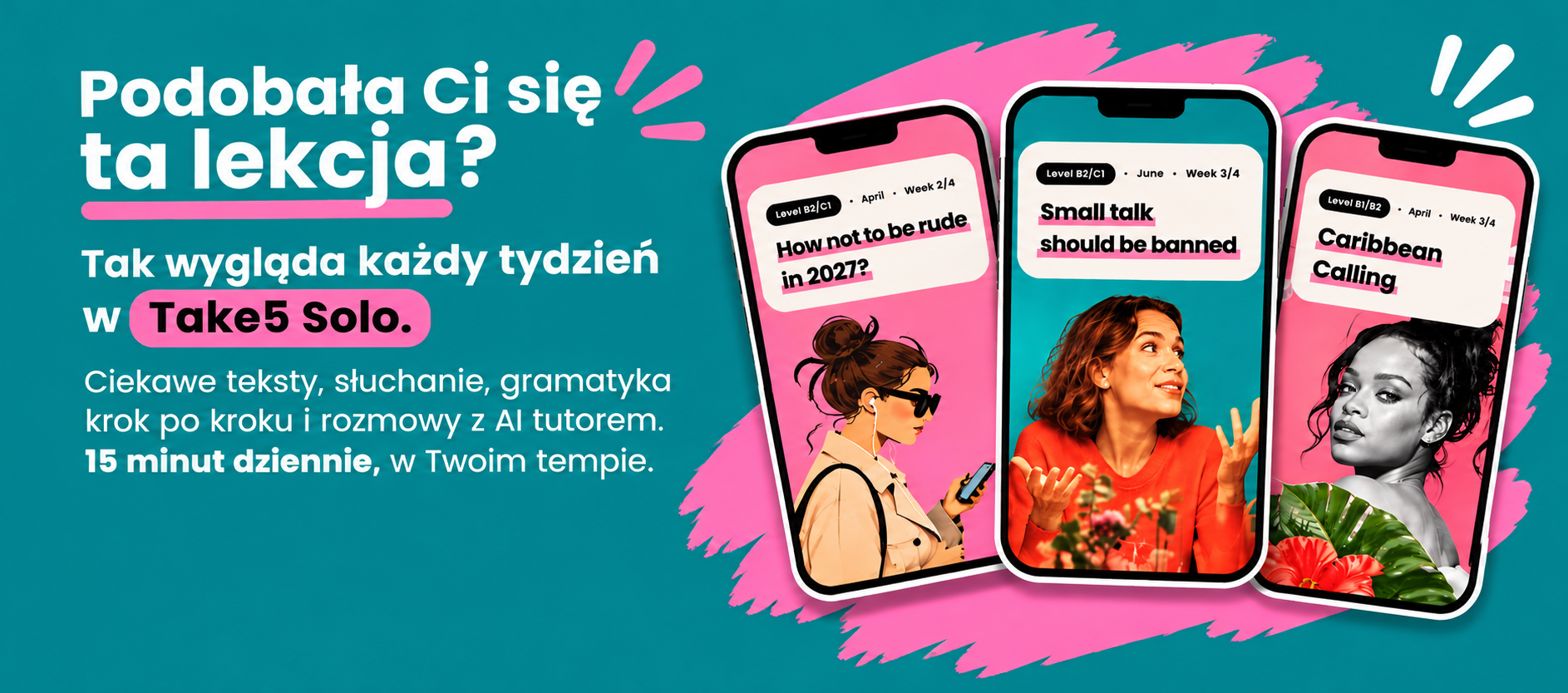
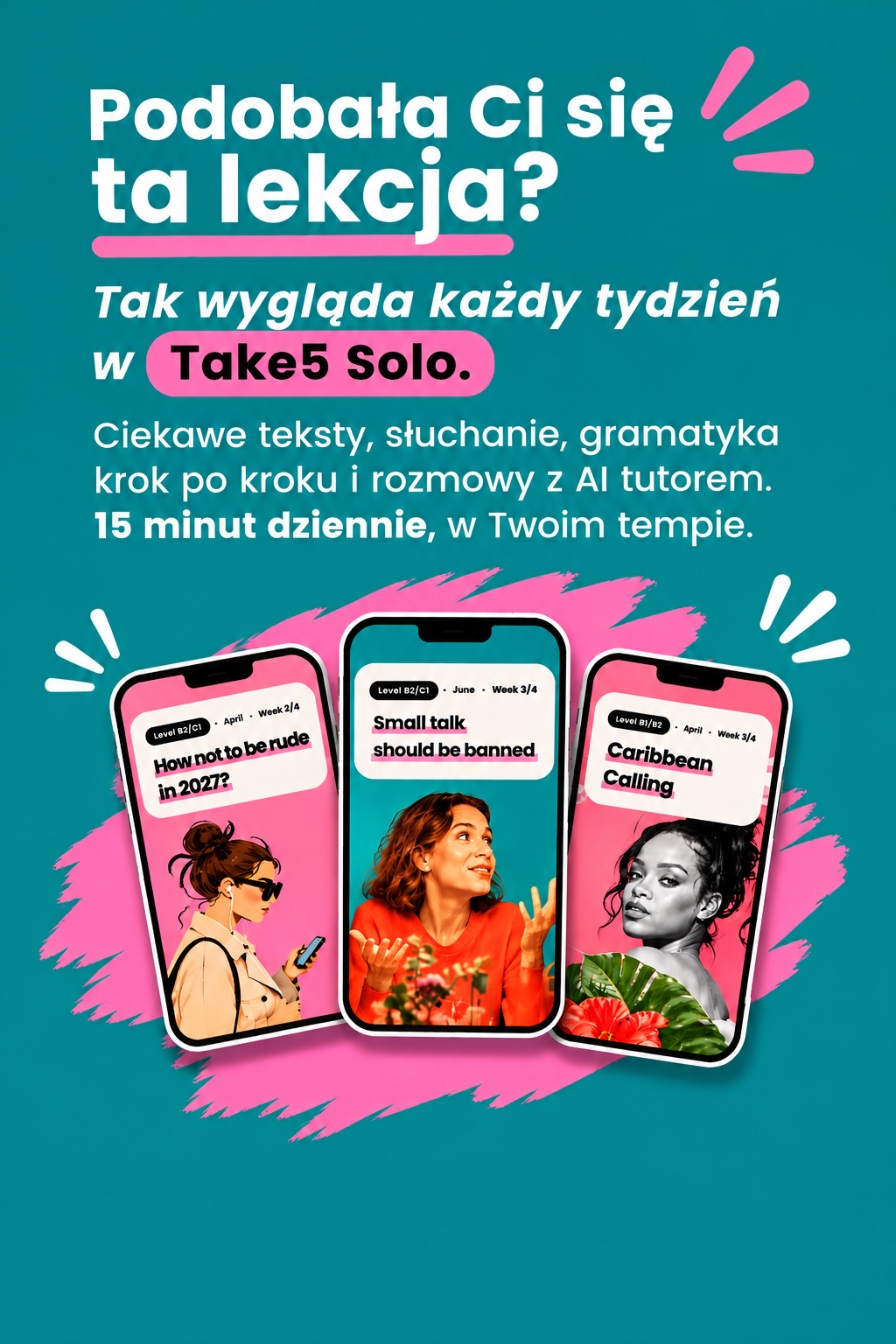
Podobała Ci się ta lekcja? Tak wygląda każdy tydzień w Take5 Solo.Podobała Ci się ta lekcja? Tak wygląda każdy tydzień w Take5 Solo.Zobacz Take5 Solo →

Grammar boost
Finally, the conditionals!
Zero · First · Second · Third
The article was full of if-sentences – and each one used a different conditional. Let’s sort them out, step by step. Read, think, choose – and check.
Step 1
Notice
Four sentences from the article. Look at the forms in colour.
Psychologists

If you think about how unlikely your life is, it feels a little more special.

Experts

If you ask this question, you’ll learn something from the past.

Many people

If they could change one thing, they wouldn’t change anything at all.

Marta

If I hadn’t missed that bus, I would never have met him.

Which sentence is about the past – something nobody can change now?
✓ Yes! Marta talks about a bus she missed years ago – she imagines a different past.
Not quite. Look for had + missed – which sentence goes back in time?
Step 2
Real life – zero & first
Zero conditional
it’s always true
zawsze tak jest – fakty, reguły, nawyki
  • facts and general truths
  • things that always / usually happen
  • if = when
FormIf + Present Simple → Present Simple
Examples
If I drink coffee late, I can’t sleep.
If you heat ice, it melts.
First conditional
a real possibility
to naprawdę może się zdarzyć w przyszłości
  • a real situation in the future
  • plans, warnings, promises
  • no will after if!
FormIf + Present Simple → will + verb
Examples
If it rains tomorrow, we’ll stay at home.
If I finish early, I’ll call you.
Jeśli jutro będzie padać, zostaniemy w domu.​“If it ______ tomorrow, we’ll stay at home.”
✓ Yes! Polish says będzie padać, but English uses the Present Simple after if.
Not quite. Polish trap! After if we don’t use will – even about the future.
Step 3
Imagination – second & third
Second conditional
I’m imagining it
wyobrażam sobie – to nierealne teraz albo mało prawdopodobne
  • dreams and imaginary situations
  • now or in the future
  • advice: If I were you…
FormIf + Past Simple → would + verb
Examples
If I had more money, I’d travel more.
If I were you, I wouldn’t worry.
Third conditional
a different past
wyobrażam sobie inną przeszłość – tego już nie zmienię
  • the past can’t change
  • regrets, “if only…”, lucky escapes
  • both parts go back in time
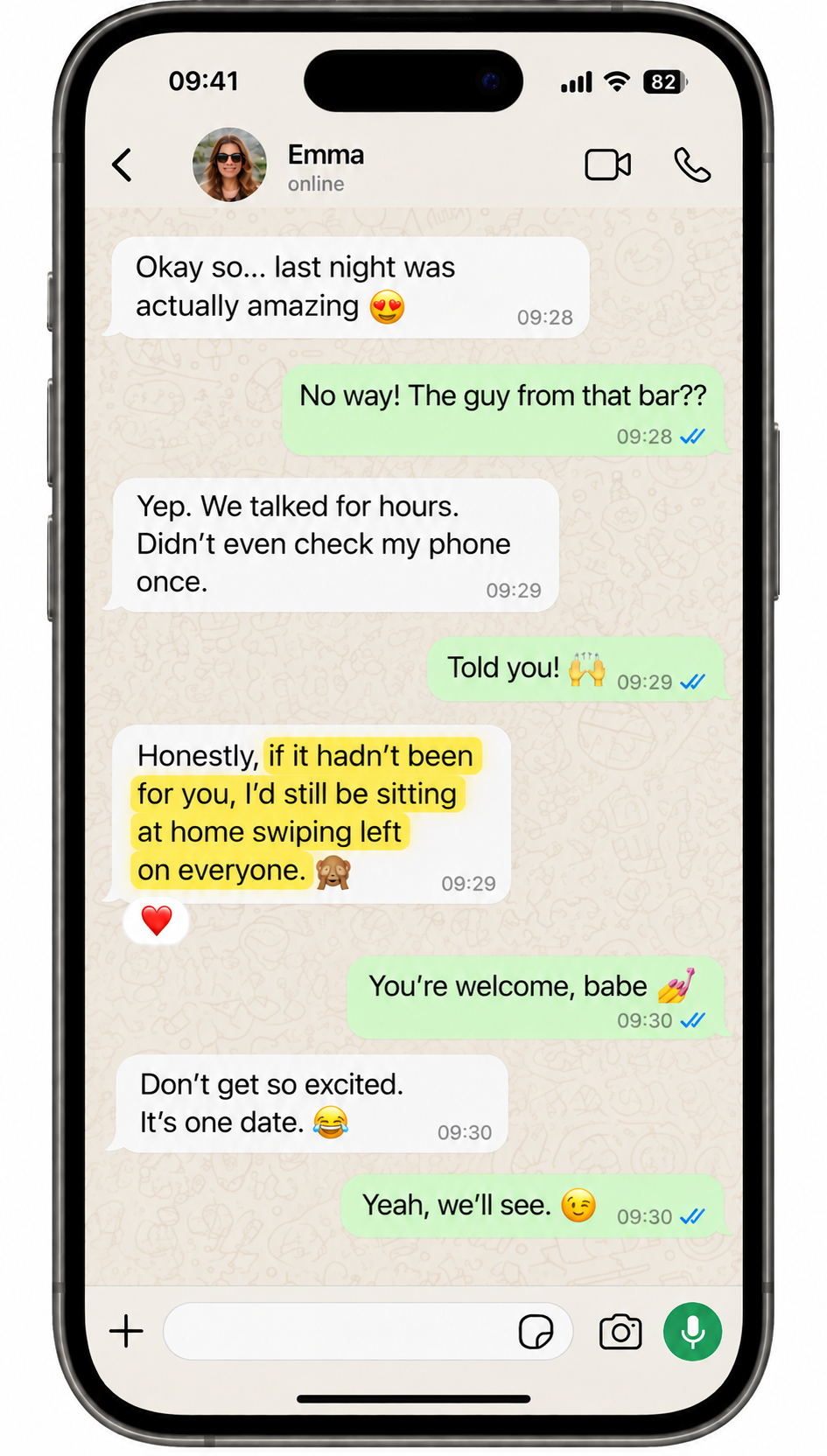
FormIf + had + 3rd form → would have + 3rd form
Examples
If I had left earlier, I would have caught the train.
If he hadn’t sent it, I’d have stayed at the bank.
I didn’t know you were coming.​“If I ______, I would have made a cake.”
✓ Yes! It’s about the past, so: had known → would have made.
Not quite. Would have made is about the past – the if-part needs had + 3rd form.
Step 4
The big picture
One bus – four different situations. The question is: is it real or imagined?
Zero
If I miss the bus, I walk.
always – it’s my routine
First
If I miss the bus, I’ll take a taxi.
it can really happen tomorrow
Second
If there were no buses, I’d cycle.
I’m only imagining it
Third
If I hadn’t missed the bus, I’d have been on time.
the past – too late to change
realimagined
Step 5
Meme time
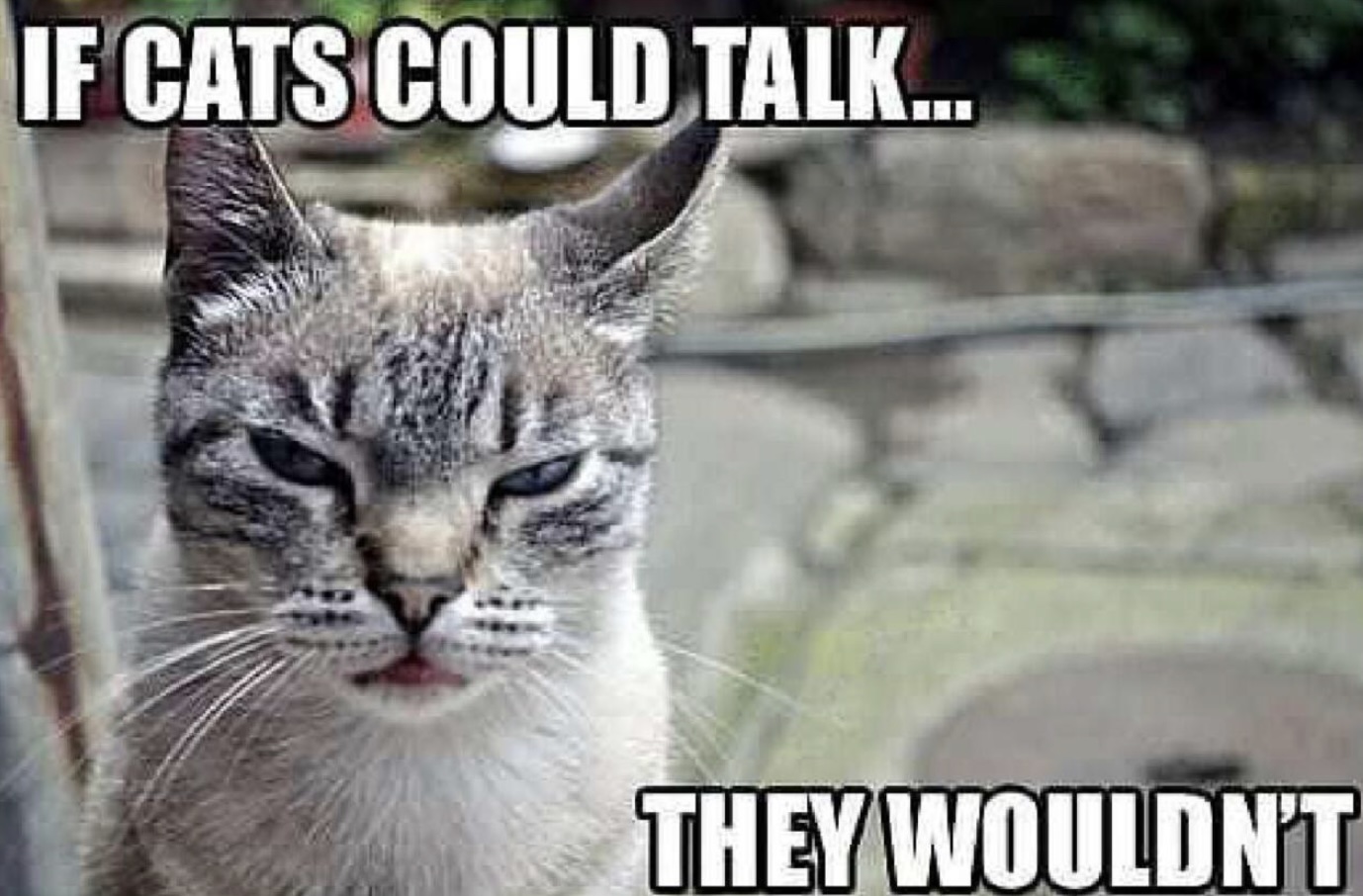
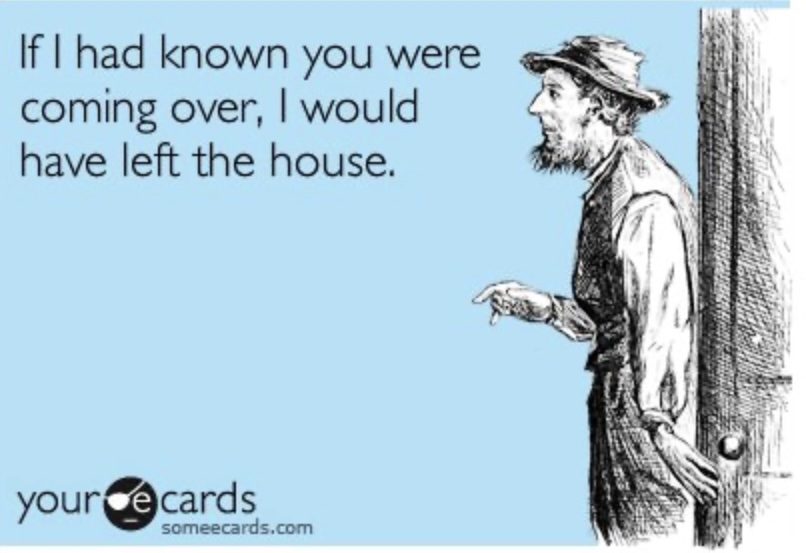
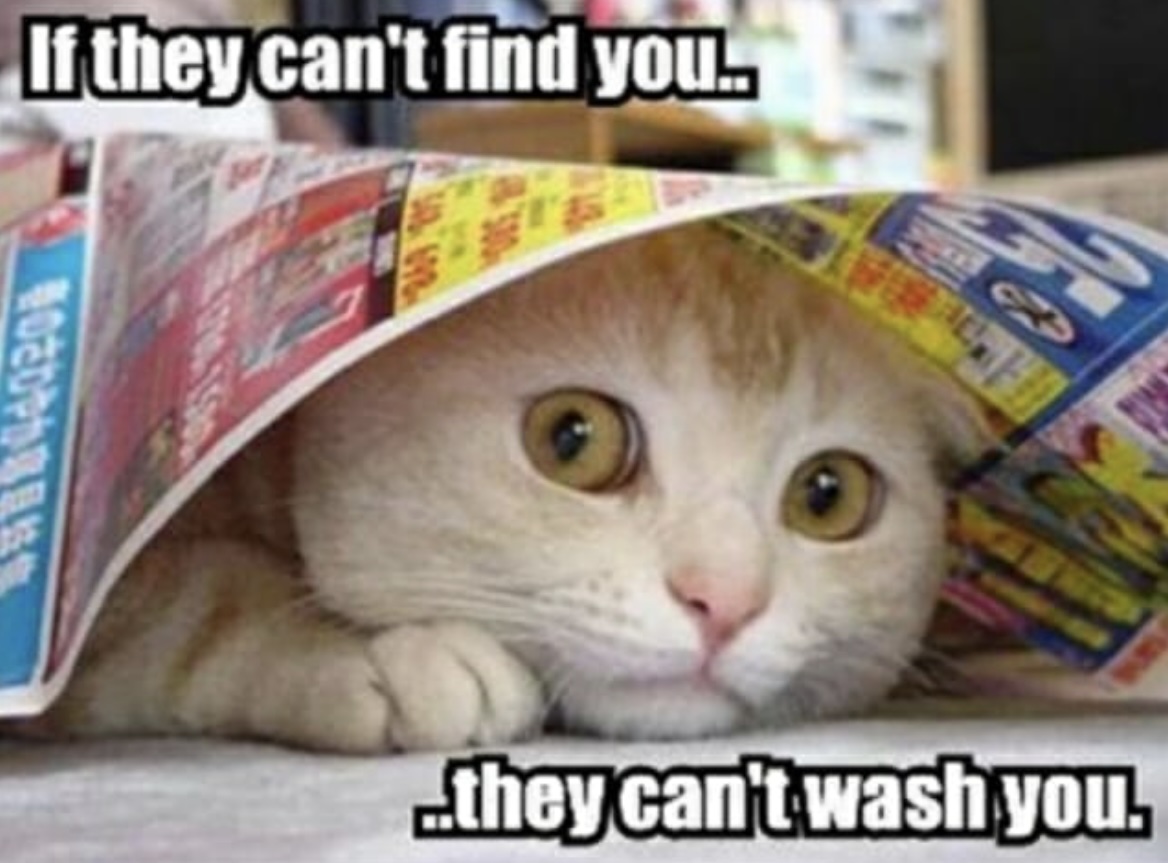
Which conditional is in each meme?

If cats could talk... they wouldn't.

✓ Yes! could talk → wouldn’t – cats can’t talk, we’re imagining it.
Not quite. Can cats really talk? 😼

If I had known you were coming over, I would have left the house.

✓ Yes! had known → would have left – a different past.
Not quite. Look for had + 3rd form.

And now the weather: it will be sunny unless it rains.

✓ Yes! will be … unless it rains – a real future. unless = if not.
Not quite. Find will – it’s about tomorrow’s real weather.

If they can't find you... they can't wash you.

✓ Yes! can’t find → can’t wash – present + present. Always true (every cat knows it 🐱).
Not quite. Both parts are in the present – it’s a cat’s “rule of life”.
Your score:
Step 6
Practise the forms
Don’t worry about choosing the conditional – it’s given. Focus on the form. When your answer is correct, the box turns green ✓
  1. ZERO · If I ✓ (drink) coffee after 8 p.m., I ✓ (not sleep) well.
  2. FIRST · If the weather ✓ (be) nice tomorrow, we ✓ (go) for a walk.
  3. SECOND · If I ✓ (have) more free time, I ✓ (learn) another language.
  4. THIRD · If she ✓ (leave) home earlier, she ✓ (not miss) the train.
  5. ZERO · If you ✓ (not water) plants, they ✓ (die).
  6. FIRST · If I ✓ (finish) work early today, I ✓ (call) you.
  7. SECOND · If we ✓ (live) closer to the sea, we ✓ (go) there every weekend.
  8. THIRD · If they ✓ (book) the tickets earlier, they ✓ (pay) less.
Remember
Zeroalways true – facts and habits
Firstit can really happen
SecondI’m imagining it – now
ThirdI’m imagining a different past
Part 4 · Watch
Watch my two videos
I hope they’ll clear up any doubts you still have. In the second one, repeat every sentence out loud and answer in full sentences – pause whenever you need.
Now it’s time to practise! 💬
Nothing beats practice (nic nie zastąpi praktyki). And the next best thing (druga najlepsza opcja) to practising with real people? Practising with your AI tutor – conversations that feel almost like the real thing.

Talk to your AI tutor →

Aleksandra Deneka English State,  NIP: 6292396171 | Polityka prywatności | Regulamin newslettera